
Full Coverage vs. Liability: What’s Right for You?
The best time to purchase life insurance is based on more than age. This handbook contrasts the advantages, expense, and protection provided by purchasing in your 40s compared to your 20s. Learn how timing influences premiums, planning, and long-term protection—so you can make an intelligent, well-informed choice.
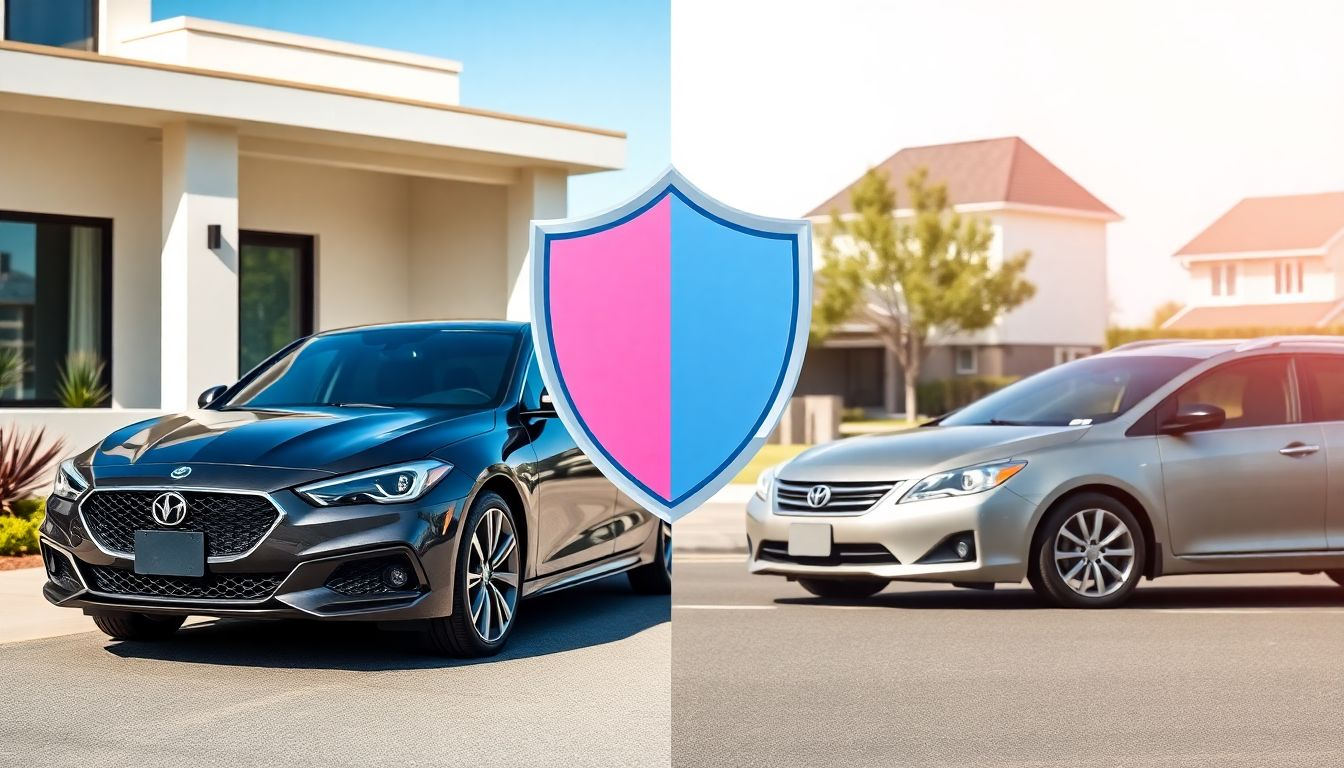
Selecting the appropriate automobile insurance can be bewildering. You may ask, do I want full coverage or liability? It really comes down to your vehicle, budget, and risk level. Understanding the distinctions empowers you to make better decisions. Let's take a look at what each policy covers so you can make an informed choice.
Auto Insurance Fundamentals
What is Liability Insurance?
Liability is the bare minimum you are required to have by law in most states. It covers damage or injuries you do to someone else. This can include stuff like medical expenses or repairing someone's vehicle. Limits are different, but higher limits cost more. It's a good choice if your vehicle isn't very valuable and you don't want to spend much.
What is Full Coverage Insurance?
Full coverage combines liability with extra protections like comprehensive and collision insurances. It covers damage to your own car from accidents, theft, vandalism, and more. Typically, full coverage costs more than just liability but offers broader peace of mind. If your car is new or expensive, full coverage is often worth the price.
Why Insurance Coverage Matters
Having full coverage protects you financially. For instance, without full coverage, a serious crash may force you to pay thousands of dollars yourself. However, with full coverage, most damages are covered by the insurance. Consider insurance your safety net for surprise expenses.
Differences Between Full Coverage and Liability Insurance
Coverage Scope
Liability only covers damages you do to other people. Full coverage is liability plus coverage for your vehicle itself. If your vehicle is stolen or vandalized, full coverage protects you. Both are necessities, but they are different necessities.
Cost Implications
Liability-only policies cost less. Anticipate paying less per month if you choose this option. Full coverage is more expensive, particularly for newer or more valuable vehicles. Your location, driving record, and vehicle value all factor into premiums. City drivers, for example, may pay more because they face greater accident risks.
When to Consider Liability-Only
If your car is older, low-value, or paid off, liability-only might make sense. It saves money and covers the basics. It’s ideal if you’re willing to handle repair costs yourself or if repairs are unlikely to be expensive.
When to Choose Full Coverage
Selecting full coverage is worthwhile on brand-new or high-cost vehicles. Leasing or financing your vehicle typically mandates it. Additionally, if you desire peace of mind protection against hit-and-run drivers or vandals, full coverage provides additional protection. It's worth it if accidents would be financially burdensome.
Pros and Cons of Each Coverage Type
Advantages of Liability Insurance
- Less expensive premiums save you money.
- It's the minimum required by law in most states.
- Good for those who have older, low-cost cars.
Drawbacks of Liability Insurance
- Won't pay for fixing your own vehicle.
- You pay for out-of-pocket expenses if your car gets damaged.
Advantages of Full Coverage Insurance
- Shields you against various types of damages.
- Provides a solid safety net in an accident.
- Typically required to lease or finance.
Disadvantages of Full Coverage Insurance
- Increased monthly premiums.
- Over-insurance for some low-value, older vehicles.
- Can be a waste of money if your car is not very valuable.
Points to Ponder When Selecting Your Coverage
Age and Value of the Vehicle
Younger, more valuable cars require full coverage since the cost of repairs will be significant. Old cars with minimal value left usually do not require comprehensive or collision.
Driving Behavior and Danger
Long drives or staying in crowded cities raise your accident probability. Full coverage may be justified by increased risk. Liability may suffice if you drive less or safer zones.
Financial Standing and Risk Management
Do you have money to cover damage yourself? Higher deductibles reduce premiums but require more out-of-pocket payment in the event of an accident. Understand your budget first before making a decision.
State Insurance Requirements
States impose minimum levels of coverage. Others require a liability amount, but you can add supplements. Look at your state's laws and factor in additional protections for greater security.
Expert Insights and Real-World Examples
Insurance professionals recommend aligning your coverage with your car and risk. A young driver with a new sports car may opt for full coverage, for instance. A family with a trustworthy SUV may opt for a balanced mix. Real-world claims demonstrate that full coverage can save up to thousands in case of an accident. On the other hand, liability-only can suffice for drivers with older vehicles and modest budgets.
Actionable Advice for Making the Best Decision
- Check your vehicle's value every year.
- Group auto with home or life insurance and save.
- Review insurance alternatives whenever your circumstances change.
- Compare prices by getting bids from several companies.
- Carefully read your policies to know what's included.
Conclusion
Understanding the distinction between full coverage and liability coverage enables you to safeguard yourself and your car. The best option is based on your vehicle's age, worth, driving record, and budget. Weigh your needs with your available budget, and you'll get the appropriate coverage. Review your insurance coverage regularly to remain safe as circumstances change.
Make knowledgeable choices today to have you protected tomorrow. Weighing your car's worth and your pocketbook comfort leads to the greatest insurance policy for you.
Your comments